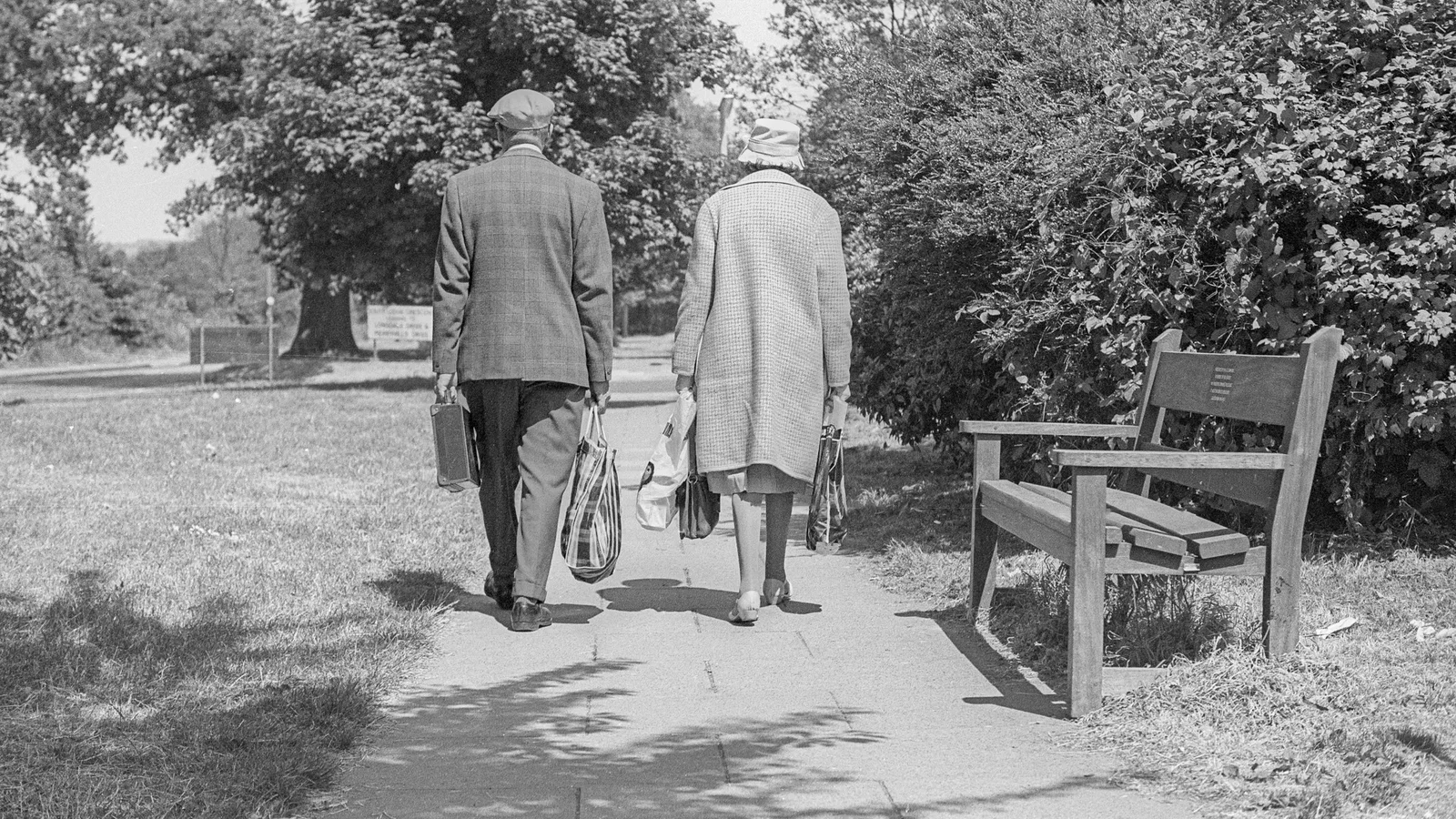
Slow Living for Nomads: A Practical Experiment

Image: OpenAI generated
“Slow living” has no clinical or regulatory definition. For a traveller, it can simply mean reducing avoidable transitions and choosing a pace that fits work, health, relationships, visa rules, and budget.
It is not proof that someone will sleep better, spend less, produce better work, or avoid burnout.
Start with constraints
Before choosing a longer stay, write down:
- visa and work authorization;
- tax residence and employer location rules;
- housing commitment and cancellation terms;
- healthcare, medication, and insurance;
- accessibility and transport;
- caregiving and family responsibilities;
- safety and current travel guidance;
- time-zone overlap; and
- reliable income and emergency funds.
A cheaper monthly rental can cost more overall after deposits, fees, transport, utilities, coworking, insurance, and cancellation risk.
Choose one experiment
Examples:
- add a no-travel week after arrival;
- stay for four weeks rather than two, if legal and affordable;
- limit work communication to agreed windows;
- schedule one recurring local activity;
- keep one unscheduled evening;
- compare furnished-housing totals rather than nightly rates; or
- reduce luggage only after testing what is actually needed.
There is no evidence-based one-month minimum. Choose a period long enough to observe the change and short enough to revise safely.
Define what success means
Use measures tied to the actual problem:
| Concern | Possible observation |
|---|---|
| Too much logistics | Hours spent booking, packing, moving, and setting up |
| Work interruption | Missed meetings, connection failures, and rescheduled tasks |
| Cost uncertainty | Total spend including deposits, fees, and travel |
| Isolation | Meaningful contacts and access to support |
| Health access | Time and cost to obtain routine or urgent care |
| Fatigue or symptoms | A record to discuss with a qualified clinician |
Do not turn one person’s result into a general health claim.
Design work at the source
NIOSH’s Total Worker Health approach prioritizes changing work conditions and reducing hazards rather than relying only on individual coping. If workload, staffing, harassment, schedule, or surveillance is the problem, moving to a picturesque location may not fix it.
Clarify working hours, response expectations, on-call duty, leave coverage, and remote-location restrictions with the employer or clients. Get material terms in writing.
Keep travel health in the plan
The WHO advises travellers to consider destination conditions, food and water, climate, access to care, disability access, medication, insurance, and local law. Slower travel changes exposure time but does not automatically make a destination safer.
Keep current advisories, vaccination, prescriptions, emergency contacts, and an exit plan up to date.
Review and revise
At the end of the test:
- compare actual cost with the forecast;
- identify which routines were sustainable;
- note which work terms undermined the plan;
- check whether health or social needs were met; and
- keep, modify, or end the experiment.
Choosing fewer commitments may be valuable for some people. It is not a moral standard and does not make ambition, fast travel, cities, or a busy season inherently wrong.
Source notes
- WHO travel and health guidance covers destination, healthcare, medication, insurance, disability access, and other travel risks.
- NIOSH’s Total Worker Health hierarchy prioritizes eliminating or redesigning harmful work conditions.
- BLS telework data provides current U.S. measures of working at home without assuming a particular lifestyle outcome.
Source check: 27 July 2026.
This article provides general lifestyle and travel education, not medical, mental-health, legal, tax, immigration, or financial advice.
slow livingdigital nomadintentional livingminimalismmindful travel